- Have any questions?
- +(305) 263-6969
- info@allinoneemployment.com

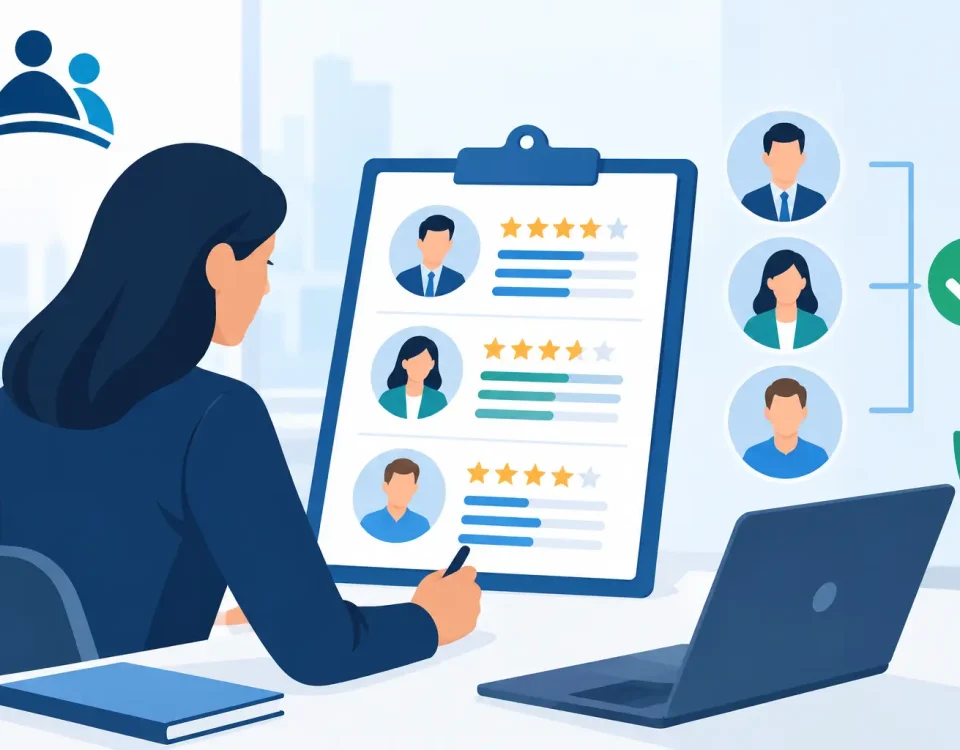
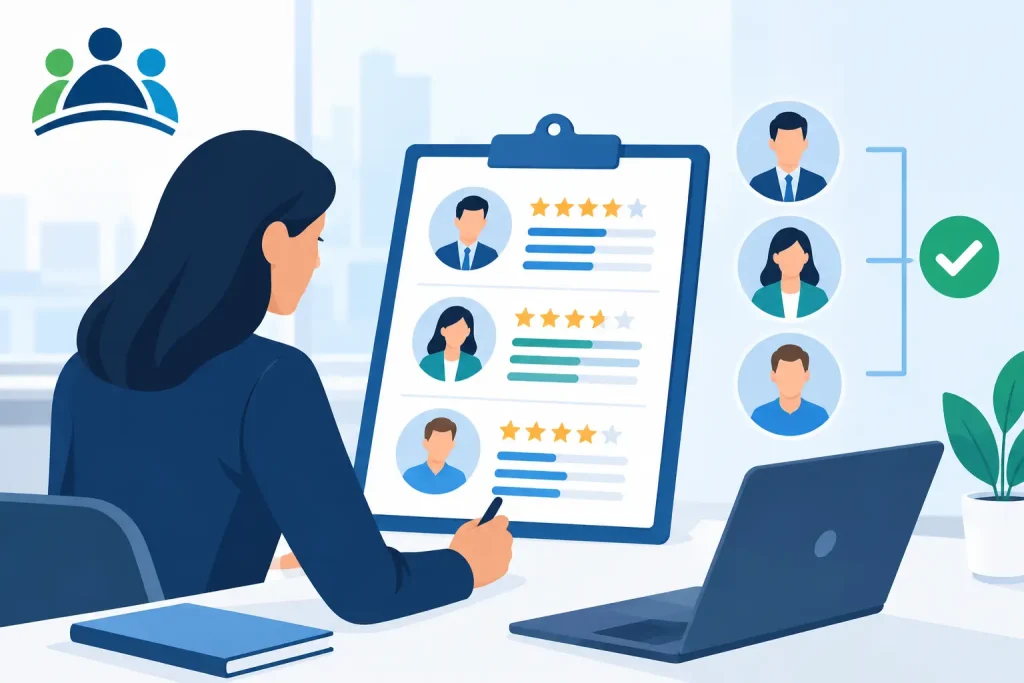
How to Write Interview Scorecards That Hire Better
October 7, 2026
A polished resume can show where someone has worked. It cannot reliably show whether they can build a spreadsheet without errors, handle an upset customer, lead a sales conversation, or make sound decisions under pressure. That is why the top hiring assessment tools matter most when a role is costly to fill incorrectly. Used well, they give employers a clearer view of capability before an offer is made.
For Miami and South Florida employers competing for dependable talent, assessments should support judgment, not replace it. The strongest hiring process combines job-specific testing with structured interviews, reference checks, and a close review of the candidate’s record, communication, and motivation. The goal is simple: present people who can perform, contribute, and stay committed to the work.
What Hiring Assessments Should Actually Measure
An assessment is useful only when it measures something tied to success in the job. A typing test may be appropriate for an administrative coordinator. A customer-service simulation can be valuable for a call center representative. A general personality quiz with no connection to the role, however, may create more noise than insight.
Before selecting a platform, define the work itself. Ask what an employee must accomplish in the first 90 days, what mistakes create risk, and which skills separate average performance from excellent performance. This approach keeps the assessment focused on real business needs rather than impressive-looking scores.
Most employers need a combination of three measurement areas: functional skills, job behavior, and reasoning ability. Functional skills show whether a candidate can complete core tasks. Behavioral assessments help identify preferred work styles and potential team fit. Cognitive or reasoning tests can be relevant when a job requires rapid learning, analysis, or problem-solving.
Top Hiring Assessment Tools by Hiring Need
No single platform is right for every company. A growing professional-services firm may need polished communication and attention to detail, while a warehouse operation may prioritize safety awareness, reliability, and task accuracy. The following tools are commonly considered because each serves a distinct part of the screening process.
Criteria
Criteria is a strong option for employers that want pre-employment tests covering aptitude, basic skills, personality, and job-related capabilities. Its range makes it practical for organizations hiring across several departments, from office support and customer service to supervisory positions.
The advantage is flexibility. Employers can create a more structured screening process without using a different provider for every role. The trade-off is that a broad test catalog still requires careful selection. A hiring manager should not send every assessment available just because it is there. Too many tests slow candidates down and can cause qualified professionals to abandon the process.
TestGorilla
TestGorilla is designed around short, customizable skills-based assessments. It can be useful when employers want to test practical knowledge early, such as Excel proficiency, customer support judgment, bookkeeping basics, data literacy, or language ability.
This model works especially well for high-volume roles where recruiters need a consistent first screen. It can also support bilingual hiring needs by helping employers evaluate language skills relevant to the position. Still, a score should open the door to a better interview, not close it automatically. Candidates may have valuable experience that a short test does not fully capture.
Wonderlic
Wonderlic is best known for cognitive ability and motivation assessments. Employers often consider it for roles that require learning speed, problem-solving, or sound decision-making, including sales, management, operations, and technical positions.
Cognitive testing can be predictive when it is relevant to the job, but it needs thoughtful use. A demanding assessment may not be necessary for a role built around established procedures and hands-on experience. Employers should also review results consistently and ensure their process is fair, job-related, and appropriate for the position’s actual requirements.
Predictive Index
Predictive Index focuses on behavioral assessment and workforce insights. It is often used by organizations that want to understand how a candidate may approach communication, pace, collaboration, decision-making, and management responsibilities.
Behavioral data can be helpful when hiring leaders have a clear picture of the role. For example, a business development position may call for initiative and comfort with frequent outreach, while a compliance-focused role may reward precision and consistency. The risk comes when teams use behavioral profiles to hire only people who resemble current employees. Job fit matters more than personality similarity.
Hogan Assessments
Hogan is commonly used for leadership selection, executive search, and roles where judgment, influence, and management style carry significant consequences. Its assessments can provide deeper insight into normal workplace behavior, potential risks under stress, and values that may affect organizational fit.
Because Hogan data is more nuanced, it is usually most effective when interpreted by trained HR professionals, experienced recruiters, or leadership advisors. It is not a quick checkbox for a manager making a same-day decision. For a senior-level hire, however, the additional depth can be worth the time and investment.
HireVue and Structured Video Assessments
Video interview platforms can help employers evaluate communication, professionalism, and role-specific responses before scheduling live interviews. They are particularly useful when hiring managers need to compare candidates using the same questions and a consistent scoring method.
The value is not simply the video recording. It is the structure behind it. Give every candidate a reasonable time limit, ask job-related questions, and use a scorecard that defines what a strong answer includes. A recorded interview should be reviewed by people, not treated as an automated verdict on a candidate’s potential.
Build a Better Process Around the Tools
The best assessment platform cannot correct a poorly designed hiring process. Start with a clear job description that identifies nonnegotiable skills, preferred qualifications, schedule expectations, and the results expected from the person hired. Then use the shortest assessment that can give meaningful evidence of those requirements.
For many positions, a practical sequence works best: resume review, brief recruiter conversation, targeted skills or behavioral assessment, structured interview, and reference checks before the final decision. This order respects the candidate’s time while allowing the employer to invest more attention in the people most likely to succeed.
Keep assessments proportional to the role. Asking an executive candidate to complete a leadership inventory may be reasonable. Asking an entry-level office candidate to spend two hours on multiple tests is less likely to produce a better hire. Lengthy or irrelevant requirements can weaken the candidate experience and make a company appear disorganized.
It also pays to establish a passing standard before results arrive. When managers decide after seeing scores, personal preference can creep into the process. Decide in advance which skills are essential, which can be trained, and what result requires a follow-up conversation rather than immediate rejection.
Protect Fairness, Accuracy, and Candidate Trust
Hiring assessments should be validated for their intended use and administered consistently. Employers must avoid tests that create unnecessary barriers, are unrelated to job performance, or are used in a way that could create discriminatory impact. When accommodations are needed, they should be addressed promptly and respectfully.
Candidates deserve clarity as well. Explain the purpose of the assessment, how long it should take, and what happens next. A professional process does not mean sharing every internal scoring detail. It does mean communicating clearly and following through when you say you will.
Assessment results should remain confidential and be evaluated alongside interviews, work history, references, and verified credentials. A candidate with an excellent score but unreliable references deserves scrutiny. So does a candidate with average test results who has repeatedly delivered strong outcomes in closely related roles.
When Expert Screening Makes the Difference
Many employers purchase a tool and still struggle with the harder part: choosing the right test, interpreting the information, and turning it into a confident hiring decision. That is where an experienced recruitment partner can add real value. At ALL IN ONE Employment Services, screening is built around the position, the company culture, and the performance expected after the hire, not just a stack of resumes or a single assessment score.
The most effective hiring assessments bring useful evidence to a human decision. Choose tools that reflect the work, keep the process respectful, and let every step answer one practical question: can this person succeed here and help the business move forward?